Materials guide
Choosing a roof color for Memphis summer heat
What color changes, what it does not, and how to choose a shingle that suits the house and the heat.
By Cora Padgett, Roofing Guides Editor Updated October 2026
We answer 24/7 across Memphis and Shelby County
Quick answer
In a Memphis summer, lighter roof colors reflect more sunlight and absorb less heat than dark ones, which can lower attic temperatures. Cool-rated shingles use reflective granules to do the same in more colors. Color helps, but attic ventilation and insulation matter more for comfort, so choose a color you like and get the attic right.
What color actually changes
Dark shingles absorb more of the sun's energy and get hotter on the surface than light ones, and some of that heat moves down into the attic. Light colors reflect more of it. On a long July afternoon in Memphis, that difference shows up as a hotter or cooler attic and, in homes with ductwork in the attic, as more or less work for the air conditioner.
The effect is real but smaller than many people expect once an attic is well ventilated and insulated. Color is one lever among several, not a cure for an upstairs that never cools down.
Cool-Rated shingles
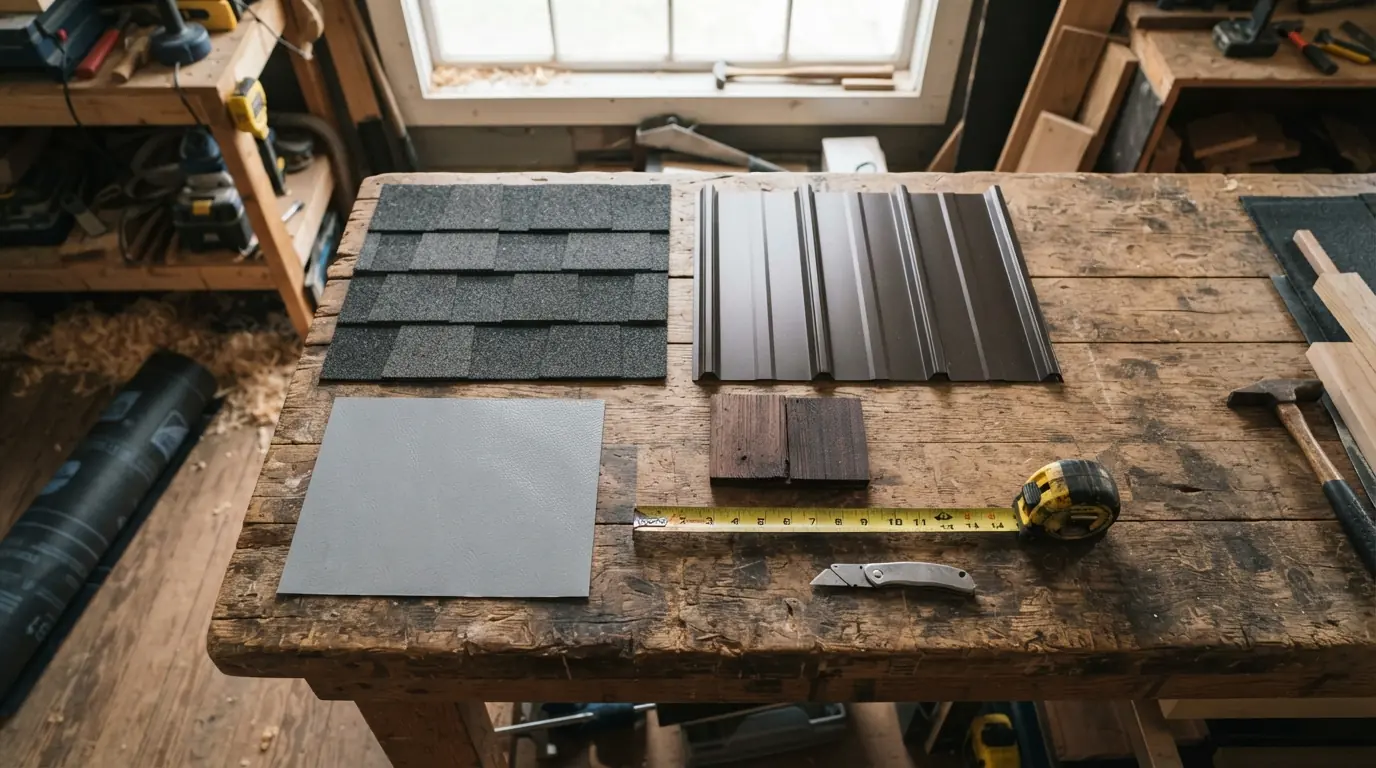
Several manufacturers make shingles with reflective granules that bounce back more sunlight than standard granules of the same color. These products carry solar reflectance ratings, so you can compare them directly. They let you choose a mid-tone color and still get part of the benefit of a light roof. Ask to see the reflectance rating for the exact color you are considering.
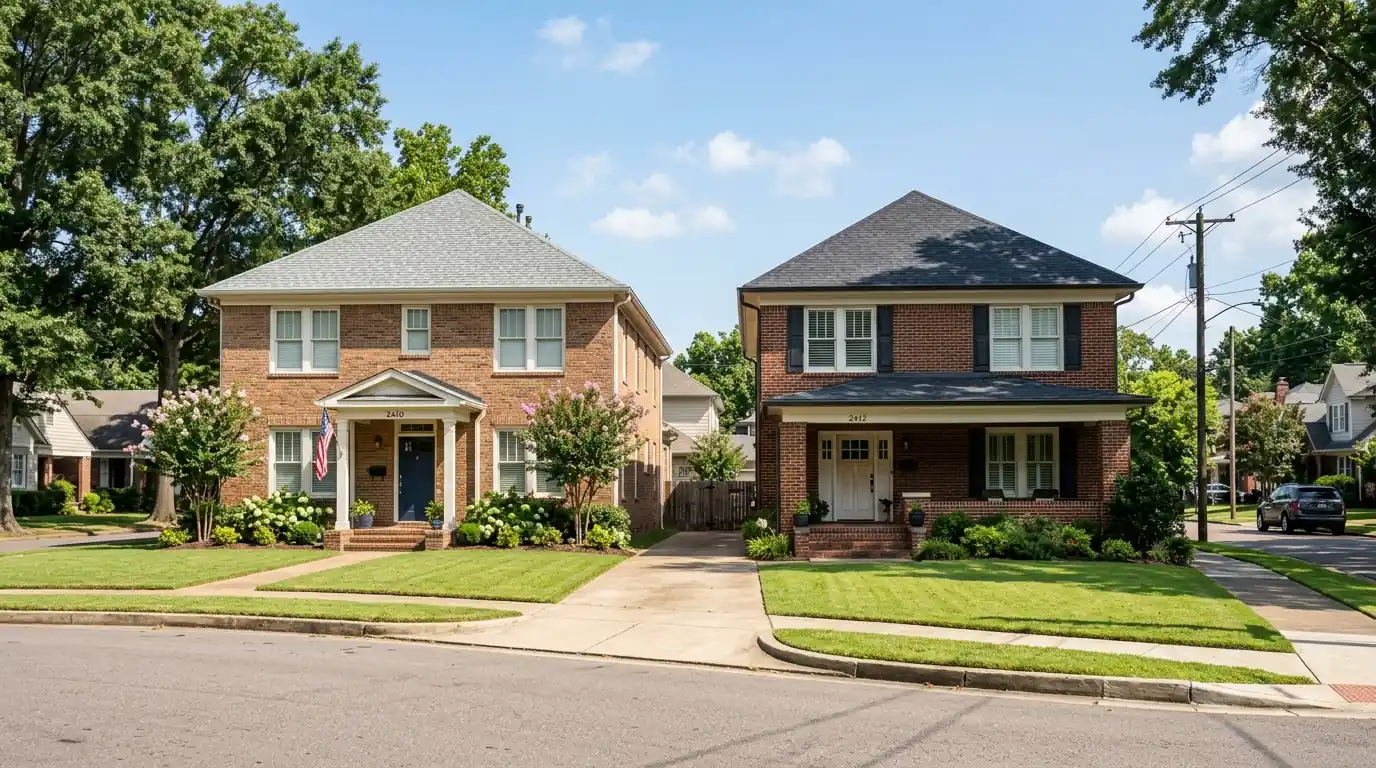
- Light grays and tans reflect the most and hide heat-related fading well.
- Mid-tone browns and weathered woods balance heat and curb appeal on brick homes.
- Charcoal and black look sharp but run hottest, so pair them with strong attic ventilation.
Choosing a color for a new roof?
We bring samples to the house so you can see them against your brick and trim in daylight.
Call (901) 459-6395Color, algae and curb appeal
Black streaks from algae show more on light roofs, and Memphis humidity feeds them. If you choose a light color, look for shingles with algae-resistant granules, which slow the streaking for years. Darker roofs hide streaks better but run hotter, so there is a trade-off either way.
Look at samples outside, in daylight, against your brick, siding and trim. A color reads very differently on a small chip indoors than across a whole roof in full sun.
| Color family | Heat | Shows streaks | Pairs well with |
|---|---|---|---|
| Light gray | Coolest | Most | Painted brick, light siding |
| Weathered wood | Moderate | Some | Red and brown brick |
| Charcoal | Hotter | Least | Most brick and stone |
Rules that May limit your choice
Many subdivisions have HOA design rules that limit roof colors, and homes in historic districts may need review before a visible change. Check before you order, because a rejected color can delay the whole job.
Get the attic right either way
Whatever color you pick, balanced attic ventilation and a proper depth of insulation do more for summer comfort than shingle color. We check both during every replacement inspection and include any fixes in the written scope.
FAQ
Roof color questions
It reflects more sunlight and can lower attic temperatures, but ventilation and insulation have a bigger effect on how cool the rooms feel.
They run hotter, which adds stress, but a well-ventilated attic and a quality shingle matter more to lifespan than color.
Shingles with reflective granules and a solar reflectance rating. They reflect more sunlight than standard shingles of a similar color.
Light roofs show algae streaks more. Algae-resistant granules slow them down.
Many can. Check the design rules before ordering so the job is not delayed.
Yes. We bring samples so you can see them against your home in daylight before choosing.