Ventilation guide
Why Memphis attics overheat and how ventilation fixes it
How intake and exhaust work together, the mistakes that make attics worse, and the cheapest time to fix it.
By Cora Padgett, Roofing Guides Editor Updated October 2026
We answer 24/7 across Memphis and Shelby County
Quick answer
Attic ventilation on a Memphis roof is a balanced system: intake vents at the soffits let air in low, and exhaust vents at the ridge let hot, humid air out high. A common rule of thumb is 1 square foot of net free vent area per 150 square feet of attic floor, split between intake and exhaust.
Why Memphis attics get so hot
Memphis sits in the mixed-humid climate zone, where seasonal extremes test every roofing system, and summer 2026 brought Extreme Heat Warnings across the Mid-South as the city reached its hottest day of the year. On a sunny afternoon, dark shingles pass that heat straight into the attic. Without airflow, the attic stores it, and the heat works on the shingles from below and on the ceiling beneath, loading the air conditioner.
The humid half of the climate matters too. Moist air in a poorly ventilated attic condenses on the cooler decking, where it feeds mold and rot.
How attic ventilation works
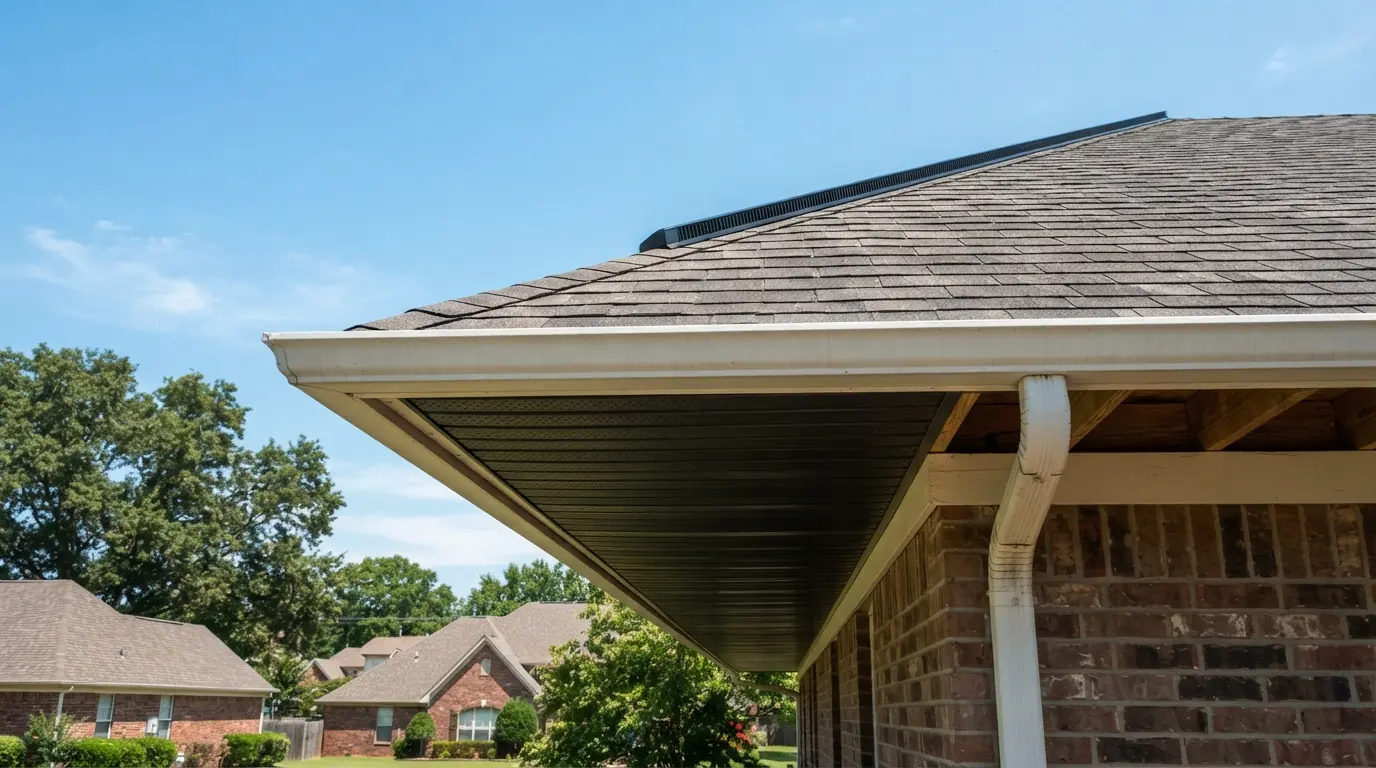
Warm air rises, and good ventilation uses that. Cooler outside air enters through vents in the soffits, flows up under the roof deck, and leaves through vents at or near the ridge, carrying heat and moisture with it. The system needs both halves in balance. Plenty of exhaust with little intake does little, and it can pull conditioned air up from the house through gaps in the ceiling.
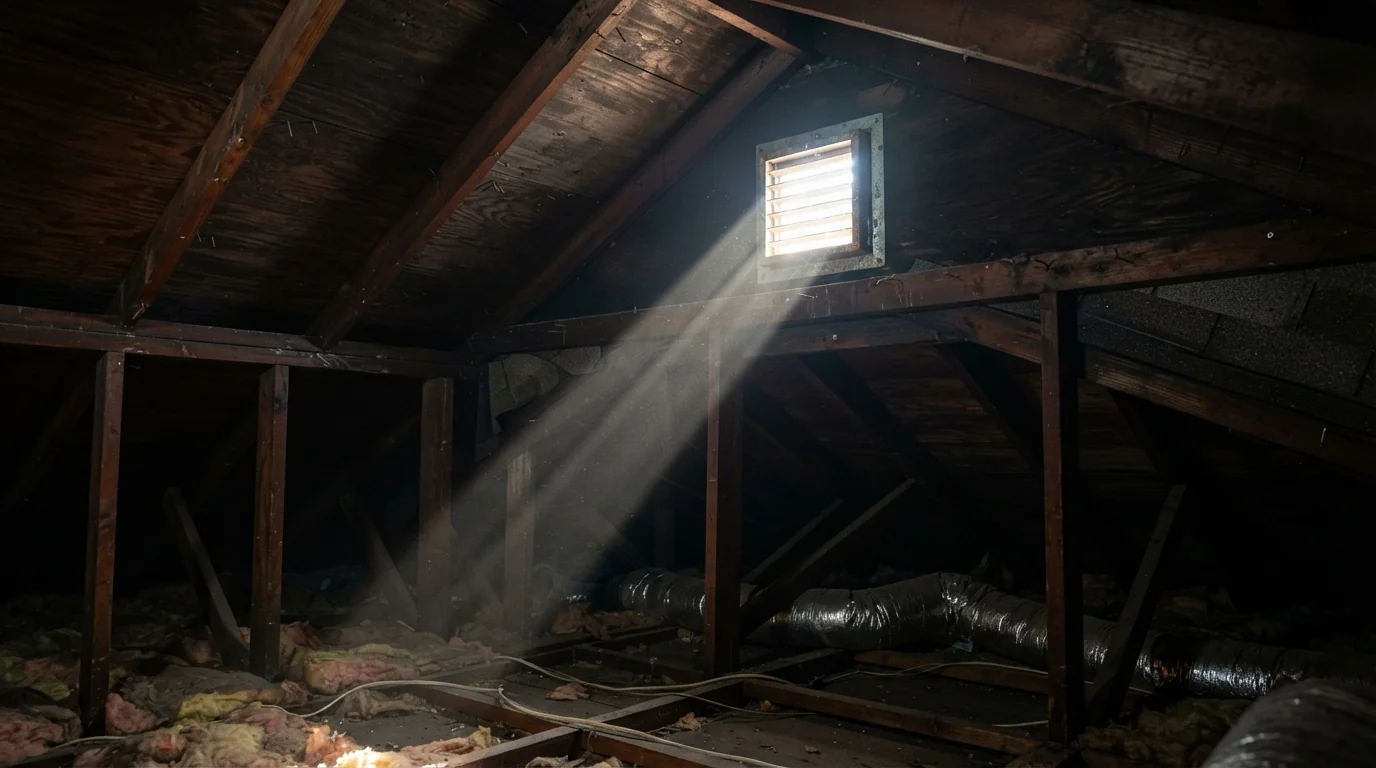
Signs your attic is poorly ventilated
- Upstairs rooms the air conditioner never catches up with
- Ceilings warm to the touch on summer afternoons
- A musty attic, or dark spots on the underside of the deck
- Blistered or curling shingles on the slopes over the attic
- Soffit vents painted over or buried under insulation
Upstairs always hot in summer?
We check the attic from inside and fix the intake and exhaust balance it needs.
Call (901) 459-6395Ridge vents, box vents and fans compared
| Ridge vent | Box vents | Attic fan | |
|---|---|---|---|
| How it works | Continuous slot along the peak | Separate vents near the ridge | A motor pulls air out |
| Airflow | Even along the whole attic | Spotty, near each vent | Strong, if intake keeps up |
| Power | None | None | Electric or solar |
| Main risk | Needs matching intake | Uneven cooling | Pulls house air if intake is starved |
The common mistakes
- Mixing exhaust types. A ridge vent and box vents on the same slopes let the ridge pull air from the box vents instead of the soffits.
- Blocked soffits. Insulation or paint over the intake means no fresh air gets in.
- Fans with starved intake. The fan pulls cooled air out of the house through ceiling gaps.
- Bath fans venting into the attic. They dump moist air right where it condenses.
When to fix it
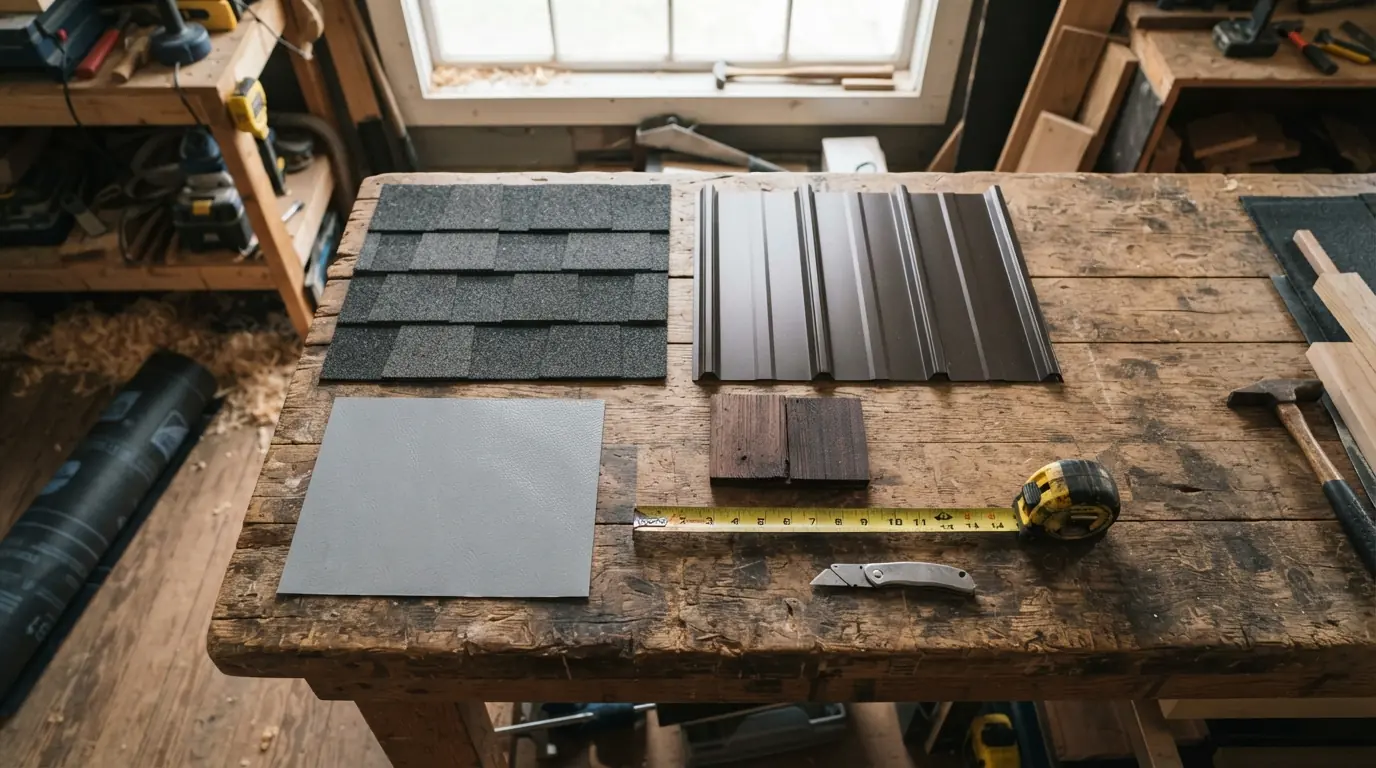
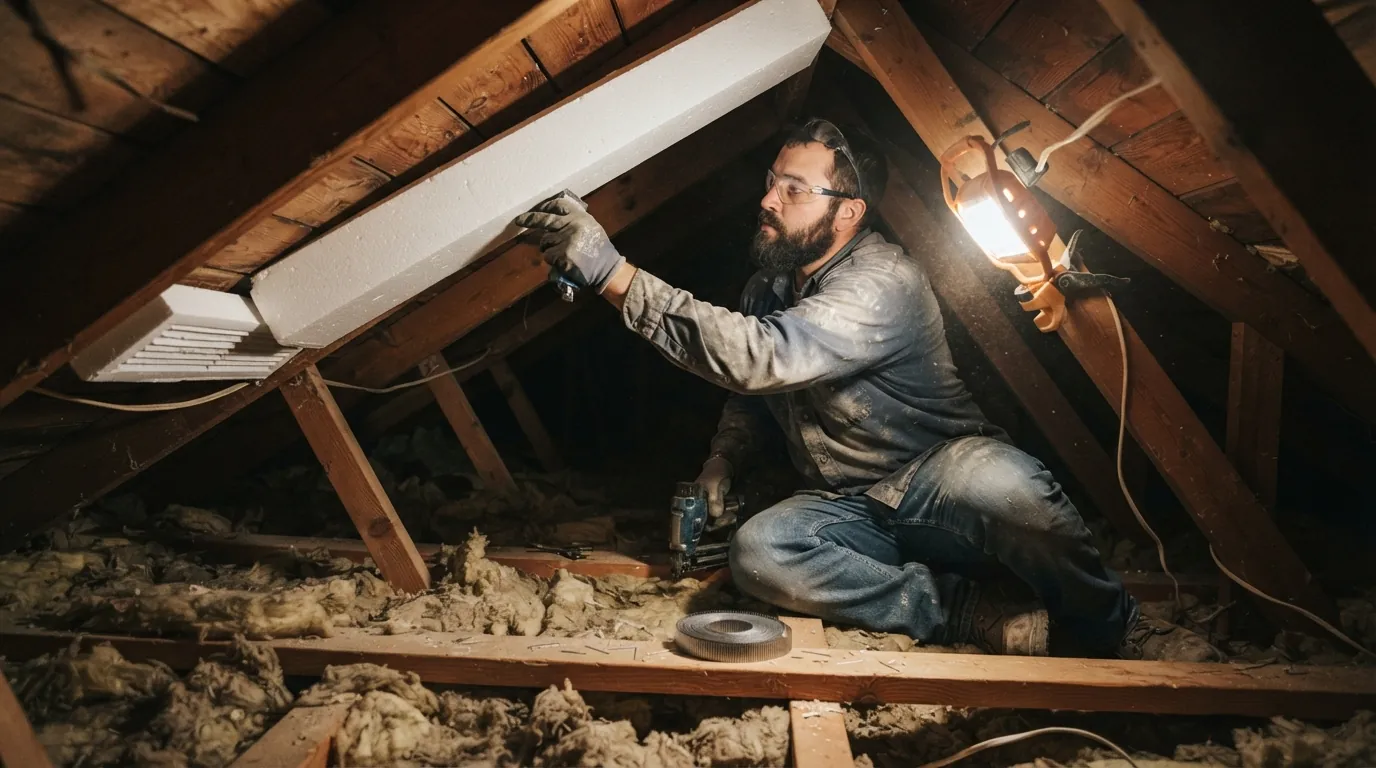
Ventilation can be fixed on an existing roof: intake and baffles added, a ridge vent cut in, competing vents removed. The cheapest moment is a roof replacement, when the deck is open and the ridge is being rebuilt anyway. Either way, start with an attic check; our roof ventilation page describes how we work out the balance, and soffit repair covers intake problems at the eaves.
Ventilation and your shingles
Shingle manufacturers expect proper attic ventilation under their products, and heat and moisture from below are two of the main things that age shingles early. A roof that runs hot for years tends to land at the low end of its lifespan; our guide to how long a Memphis roof lasts covers the rest.
FAQ
Attic ventilation questions
A common rule is 1 square foot of net free vent area per 150 square feet of attic floor, split between intake and exhaust. A roofer measures your attic for the real figure.
In an attic with plenty of intake and no competing exhaust, they can help. With starved intake they waste energy.
Exhaust without matching intake is the usual problem, not too much ventilation overall.
It reduces the heat the attic passes into the house, which helps. Attic insulation matters just as much.
No. Intake, ridge vents and fans can be added to an existing roof, though a reroof is the cheapest time.
Foam or cardboard channels at each rafter bay that keep insulation from blocking the air path from the soffit vents.